
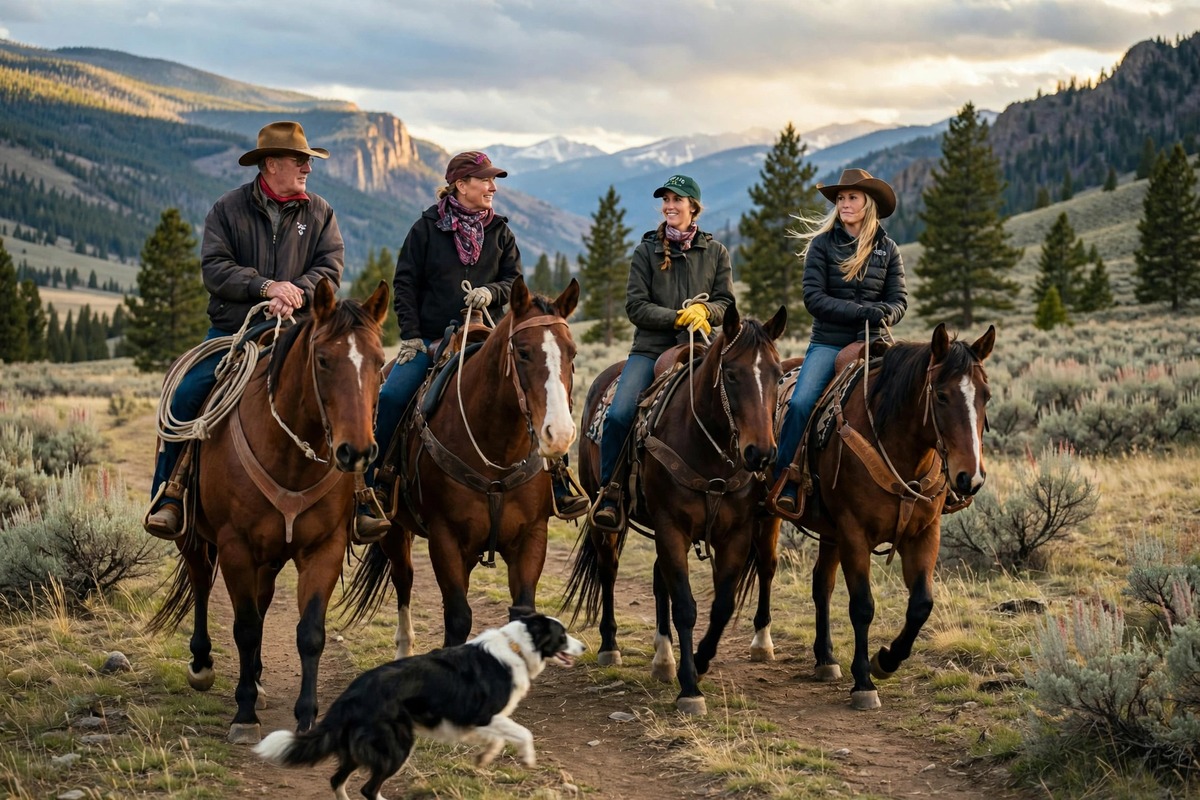
Wade and Teresa King are challenging Washington’s wetland fines and administrative process, warning the case could threaten their multigenerational ranch and livestock-water rights beyond their family.
Gov. Bob Ferguson’s appointment authority is now part of a Washington ranching family’s fight for a jury trial over $267,540 in wetland fines.
Wade and Teresa King operate King Ranch in Grant and Douglas counties. They say the Washington Department of Ecology wrongly treated long-used stockwater ponds as regulated wetlands. The agency fined them in 2023 and ordered restoration, while the Kings insist the ponds served their livestock and were never wetlands.
What makes the dispute urgent is the cost. The Kings’ attorneys estimate the restoration demands could top $3.7 million. Wade says losing the case could put the ranch’s financial stability at risk, and Teresa says the orders would be impossible to complete because the state is asking them to turn non-wetlands into wetlands. Their concern extends to children and grandchildren who live and work on the ranch.
The state process has created a second battle. Ecology directed the Kings to the Pollution Control Hearings Board, an administrative panel without jury trials. The Kings instead filed in Grant County Superior Court in March, arguing that forcing the dispute through the board would violate their right to a jury.
A judge later dismissed that lawsuit, saying the family had to complete the administrative route first. The Kings appealed. In September, a Washington Court of Appeals commissioner paused the board proceedings while the court considers whether the family is entitled to a jury trial.
The Kings say the setup is tilted toward the executive branch and state agencies. Wade pointed to Ferguson’s role in appointments: the governor, who was attorney general when the conflict began, now shares appointment authority over the board with the state Senate. The PCHB declined to comment because the case is pending.
The legal fight could go much higher. Oliver Dunford, a senior attorney with Pacific Legal Foundation representing the Kings, said they are prepared to ask the U.S. Supreme Court to rule that the Seventh Amendment applies against the states and that the Kings should have a jury trial.
Dunford said a win could affect agencies outside Washington by making it harder to impose fines while placing the full burden on property owners to prove their innocence through litigation. That potential reach is why the Kings describe their case as a defense of other ranchers, not only a fight over their own land.
Ecology strongly disputes the family’s account. The department said investigators found no evidence the areas had previously been stockwater ponds. It accused the Kings of damaging 23 naturally occurring wetlands in Grant County, using site visits, satellite images, aerial photographs dating to 1949, and other records. The agency said the work affected 6.37 acres through excavation, reshaping, and fill.
Ecology also said it repeatedly sought a resolution, but the Kings refused to cooperate, and that it ordered restoration of 11 additional areas in Douglas County last year. That brought the agency’s stated total to 34 sites, most on state land.
Why It Matters
This dispute matters because it combines property rights, environmental enforcement, and access to a jury in an unusually concentrated legal conflict. For the Kings, the immediate question is whether they can protect a family business without accepting a restoration order they say cannot be carried out. For other ranchers, the concern is whether livestock-water exemptions can remain dependable when state officials classify the underlying sites differently. The result could shape how much leverage an agency has before a property owner gets a traditional courtroom hearing.
It also puts unresolved legal and factual questions side by side. Were these long-used stockwater ponds, as the Kings maintain, or naturally occurring wetlands damaged by ranch work, as Ecology says? Must a family receive a jury trial before an administrative board can decide a penalty of this kind? Washington’s courts will determine the next step, while the possibility of a Supreme Court petition gives the dispute importance far beyond this ranch.
The Kings say they have always protected the land and water that support their livelihood. Wade questioned why a family that relies on clean water would deliberately damage it, while Teresa said the ranch has supported multiple generations and they want to keep it going.
For Teresa, the stakes reach beyond her family’s property. She says the case is also a defense of the exempt livestock-water rights used by ranchers across Washington.
Source: foxnews.com

Leave a Comment