
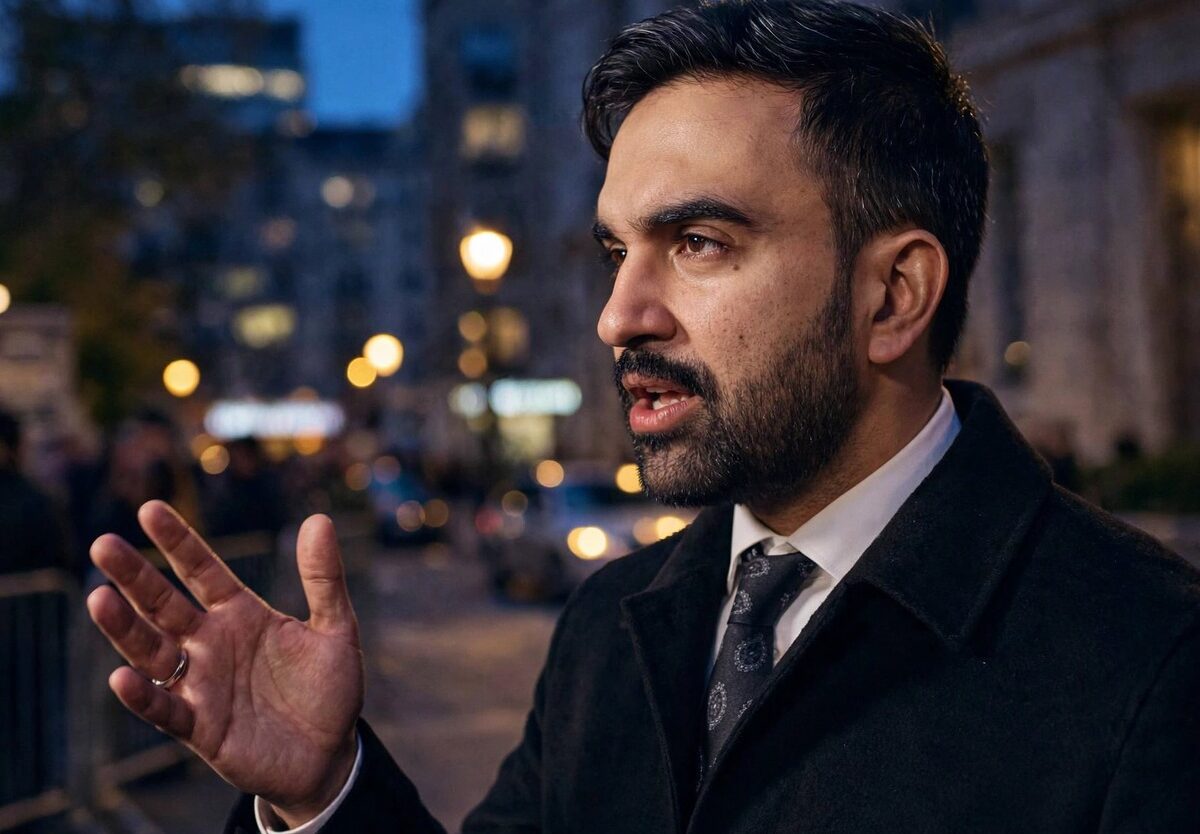
Mayor Zohran Mamdani moved New York City’s Macy’s Thanksgiving Day Parade to Saturday because of an approaching storm, drawing sharp conservative criticism.
Zohran Mamdani delayed New York City’s 100th annual Macy’s Thanksgiving Day Parade from Thursday to Saturday, turning an approaching storm into a political fight.
The mayor said the parade would take place Saturday, November 28, after forecasts called for heavy rain, strong winds, and coastal flooding. He advised New Yorkers to prepare, remain inside when possible, and avoid walking or driving through floodwater.
The immediate consequence was visible across Manhattan: the familiar balloons were missing from the Thanksgiving morning streets. Mamdani acknowledged the disruption, but defended the decision with a short message: “Safety has to come first.”
He also pointed to the parade’s place in family tradition, saying generations had watched balloons including SpongeBob and Spider-Man pass through the city. That made the change more than a scheduling update. It altered a ritual that viewers expected on the holiday itself.
Here is the mayor’s announcement:
TheBlaze shared the mayor’s remarks, which repeated his point that generations had watched familiar characters float through New York. The dispute was not about whether the parade was popular. It was about whether the storm justified breaking a tradition that had survived other difficult conditions.
RedState reported that parade organizers made the call after weather forecasts raised concerns about rain, wind, and flooding. The article also noted that the parade had never previously been postponed because of weather.
Its history gives the decision unusual weight. The event was canceled during World War II in 1942, 1943, and 1944. In 1971, heavy rain and high winds kept the giant balloons grounded, but the parade still went forward. This time, the entire event was shifted to another day.
That distinction became fuel for social media criticism. Oilfield Rando argued that the mayor’s safety explanation conflicted with the critic’s attacks on Mamdani’s criminal justice policies.
Steve Guest offered a different allegation, claiming the mayor opposed the holiday’s meaning and used the weather as a pretext. Dave Rubin made the accusation more blunt, saying Mamdani canceled the parade because he “hates America.” Those were political interpretations, not evidence presented in the report about the forecast itself.
DC Draino floated another theory, alleging that the real concern was the possibility of leftist rioters disrupting the event and creating damaging television images. The source did not establish that claim; it was presented as commentary from the account.
Other commenters used the announcement to revive complaints about Mamdani’s administration, including claims about ending the horse carriage tradition and ideas involving Rikers Island prisoners. Another post focused on the rarity of moving the parade away from Thanksgiving.
Additional posts kept the criticism going, but they did not change the central facts: the storm forecast prompted a postponement, and the mayor said safety was the reason.
Why It Matters
This dispute matters because the parade is both a public event and a civic ritual. A weather call affects families who planned around the route, workers and performers connected to the production, city officials responsible for safety, and viewers who expected a familiar Thanksgiving scene. The mayor’s position is easy to understand in principle: dangerous conditions can change public plans. But the unusual timing makes the decision politically costly, because a long-running tradition creates a high bar for postponement.
The backlash also shows how quickly a safety explanation can become a referendum on a mayor’s broader record. Critics folded the parade change into arguments about criminal justice, city traditions, and Mamdani’s political outlook, while the official explanation stayed focused on the storm. That leaves an open question about public trust: will residents view the move as a responsible temporary adjustment, or as evidence that the administration misjudged the moment? The immediate facts support the temporary change, but they do not settle that larger argument. The parade was moved, not permanently abandoned, but the controversy has already become part of the decision’s story.
Source: redstate.com

Sound off
Join the conversation
Be the first to comment.
Load more comments