
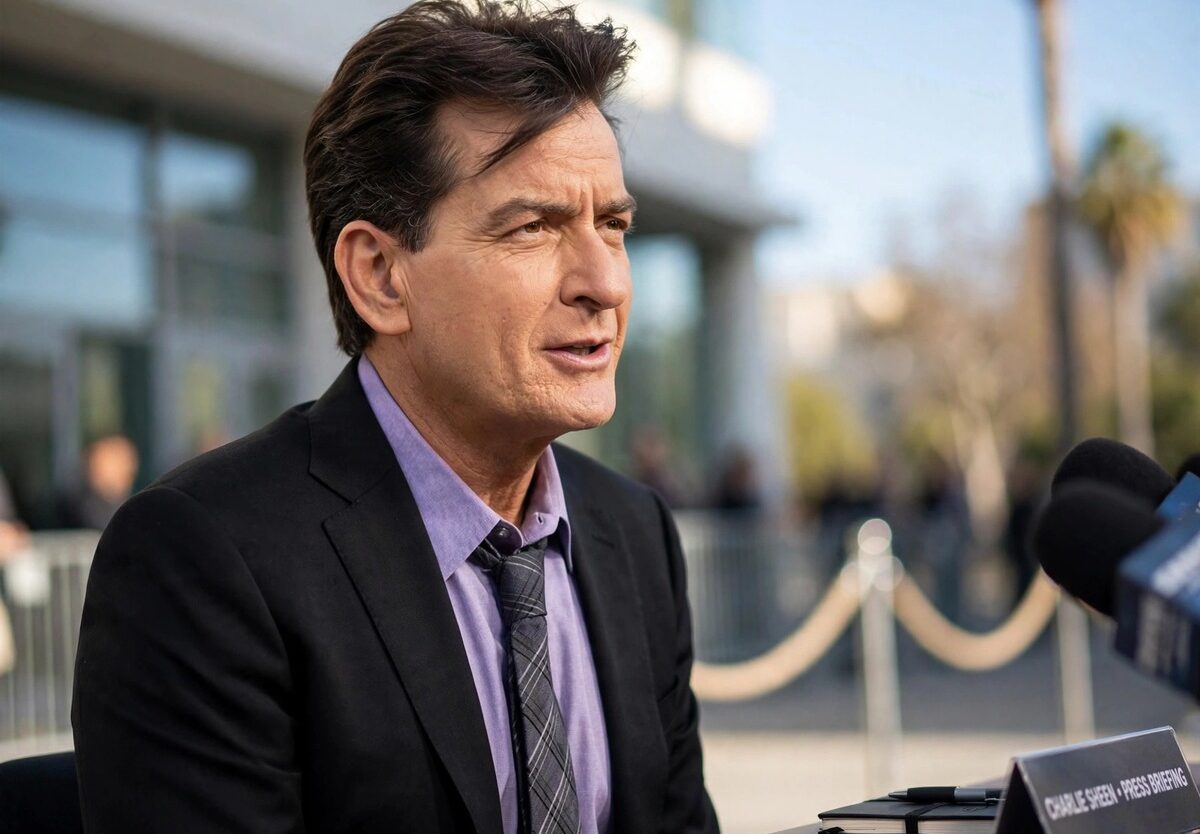
Charlie Sheen apologized to Rob Lowe for old online attacks, but Lowe’s response revealed a decades-long act of compassion that left Sheen stunned.
Charlie Sheen apologized to Rob Lowe for hostile posts from years ago, only to discover that Lowe had been privately praying for him for decades.
On a recent installment of Mostly Sheenius, Sheen returned to remarks he had posted about Lowe when Twitter was still commonly called by its original name. He described the messages as “unkind and unfair,” then admitted his conduct had been “mean and stupid.”
For context, Sheen’s 2011 public unraveling followed high-profile television success in Spin City and Two and a Half Men. He appeared in profane online videos, talked about “tiger blood” and “winning,” and eventually entered treatment for addiction issues. That history gave the apology more weight. Sheen was not cleaning up a minor disagreement. He was confronting behavior from a period when his life was badly off course.
Lowe did not answer with anger. He accepted Sheen’s apology and said the old messages no longer mattered to him. He had forgotten them, he explained, and had once assumed Sheen would eventually recognize what was happening to him. The response shifted the exchange from celebrity drama toward friendship and recovery.
Then Sheen remembered a detail that made the conversation more personal. Lowe had been present at the intervention that tried to help Sheen get clean and sober. The friend who had received the online attacks had also been there during an early effort to help Sheen escape addiction.
The clips from the discussion are below. One carries a warning for coarse language.
At the time, Lowe was also making media appearances for Confession, described in the report as a conservative-connected movie. Yet the most revealing part of the conversation had nothing to do with publicity. It came when Lowe explained why he had not held on to Sheen’s old attacks.
Lowe said a recovery program that saved his life encourages people to pause and pray for the alcoholic who is still suffering. Then he disclosed that Sheen was the person he had carried into that prayer. Sheen reacted with disbelief: “Wow, really? So you were giving that prayer for a couple decades!”
Why It Matters
The exchange matters because it turns a public record of cruel behavior into a test of what friendship can survive. Sheen’s old posts belonged to a period shaped by addiction, treatment, and damaging public attention. Lowe’s answer shows that the recipient of the insult did not make the insult the final definition of the relationship. For people close to addiction, that distinction matters. The consequences reach beyond the person struggling, touching friends who may carry fear, hope, and concern long after the public spectacle has ended.
The faith-based framing adds another layer. Lowe’s prayer was described as an act of concern for someone still suffering, not as a reward that Sheen had to earn before receiving kindness. That does not erase the tweets or simplify recovery. It does show accountability and mercy meeting in the same conversation. The open question is not whether the past happened, but what people do with it afterward. Here, one friend admitted harm and the other chose not to build the relationship around resentment.
Source: redstate.com


Leave a Comment