
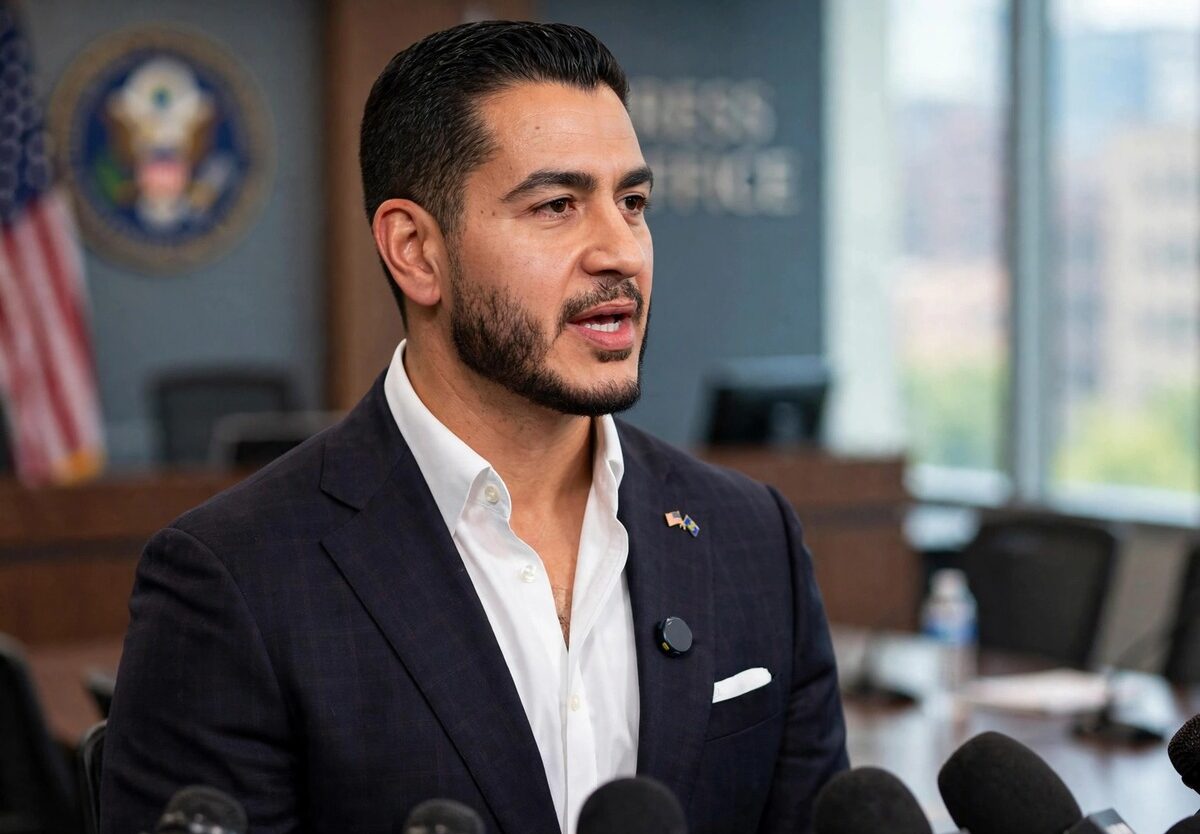
John Kennedy’s criticism of Abdul El-Sayed’s Medicare for All proposal sparked a sharp response as Trump stayed publicly uncommitted.
Sen. John Kennedy tore into incoming Michigan senator Abdul El-Sayed’s Medicare for All proposal, arguing that the plan’s numbers do not add up. El-Sayed fired back online, transforming a dispute over healthcare policy into a personal clash before he has taken his Senate seat.
El-Sayed has been pressing the idea while trying to get President Donald Trump’s attention. Trump has not responded to his appeal, although he reposted El-Sayed’s TrumpCare message without adding a position. That leaves the proposal without the presidential backing El-Sayed appeared to be seeking.
Kennedy’s criticism focused on the basic question of whether the plan could be paid for. He said the numbers failed to work and argued that Medicare for All was a bad idea. The response that followed was far more personal than a technical rebuttal.
El-Sayed accused Kennedy of representing a political philosophy that denies people basic needs. He also used a three-K insult aimed at Kennedy’s name, an apparent reference to the KKK, and said listening to Kennedy explained why Trump was willing to work across the aisle.
The attack created a political problem beyond the online exchange. El-Sayed is entering a Senate where major proposals require other senators to agree to them. Calling a future colleague a KKK member, as the account describes the remark, is likely to make that cooperation harder, especially when the argument began with a disagreement over policy.
El-Sayed then widened the fight by targeting Sen. Rand Paul. Paul, who has practiced as a doctor, emphasized the cost of Medicare for All and rejected the idea that it would be free. El-Sayed answered by calling his own version TrumpCare for All and claiming it would save the average American thousands of dollars each month.
He also accused Trump of siding with Big Insurance and Big Pharma, then called on the president to intervene. The argument suggested El-Sayed believed Trump could be persuaded, even though Trump has not agreed to the proposal.
The replies brought more criticism. Commenters raised the failure of Obamacare, long waits in countries with similar systems, and the lack of convincing math behind the plan. One response compared El-Sayed’s pitch with Obama’s earlier claims about Obamacare and asked how that had worked out.
Another response shared a warning that Democratic Socialism has Marxism at its core. Together, the replies show how quickly the debate moved from the mechanics of healthcare to broader arguments about socialism, party ideology, and whether Trump should listen to El-Sayed.
The criticism also reached El-Sayed’s professional background. The article questioned his use of the word physician, asserting that he has not been a licensed physician, and pointed to the claim that his psychiatrist wife does not take Medicare. Those points were used to attack his credibility, but they did not answer the central dispute over the plan’s cost and design.
Why It Matters
This matters because Medicare for All is being presented here as both a promise of relief and a test of financial credibility. El-Sayed’s side treats expanded access as the priority, while Kennedy and Paul have made affordability and the size of the program the central objections. The people affected would include Americans weighing healthcare costs, doctors expected to work under the system, and insurers and drug companies facing the policy changes described in the debate.
The political stakes are just as clear. El-Sayed is approaching a Senate where legislation depends on cooperation, yet this early clash has already involved insults aimed at people he may need to work with. The open question is whether he changes course and makes the case through policy details, keeps appealing to Trump, or continues answering opposition with personal attacks. That choice could shape how much room he has to build support.
For now, the promised breakthrough has not arrived. Trump has not endorsed El-Sayed’s proposal, and Kennedy’s criticism has produced a public feud rather than agreement. The dispute remains centered on a basic question: can the claimed savings survive objections about cost, waits, and math? Until that is answered, the sharpest part of the story is the political collision itself, with El-Sayed trying to sell TrumpCare for All while Kennedy and Paul reject its financial premise.
Source: redstate.com



Leave a Comment