
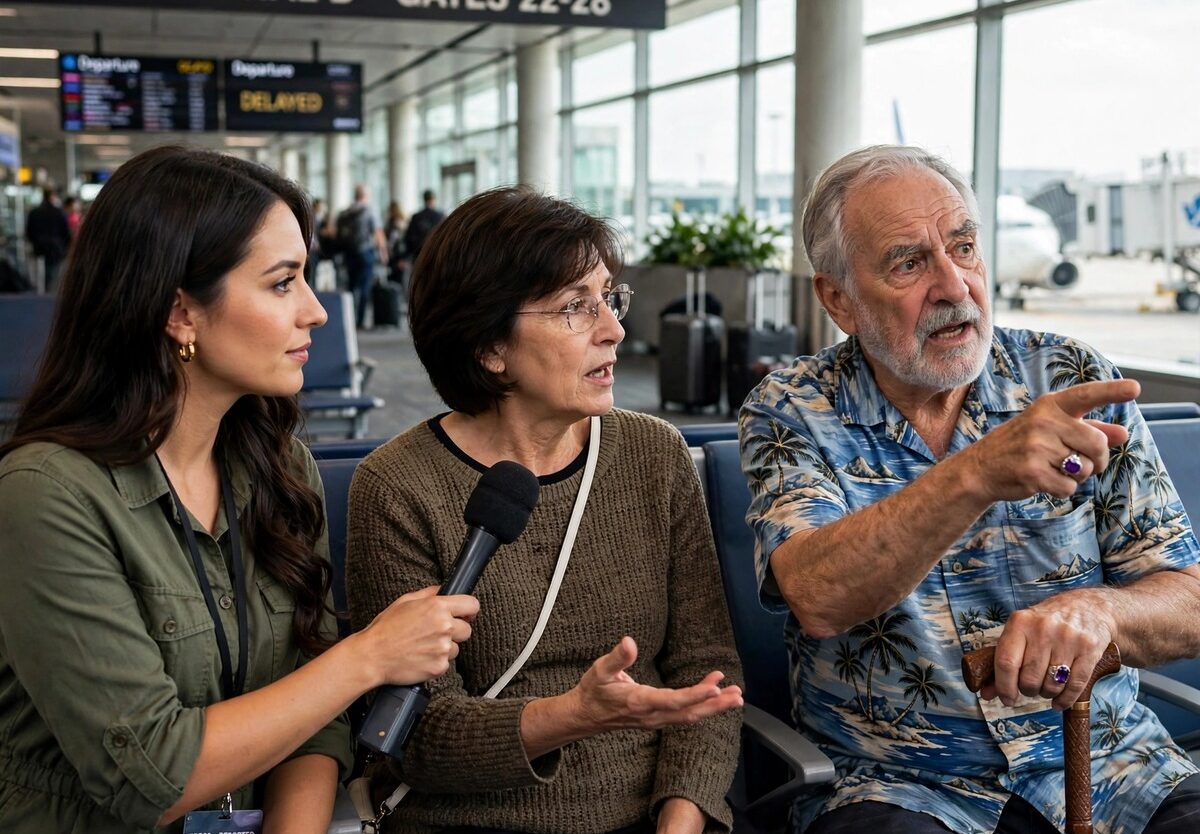
After a nationwide ground stop drove up hotel and rental car costs, a stranded traveler delivered a blunt message to Congress. Sean Duffy and Mike Lee then focused attention on the deeper fight over failing air traffic systems and federal priorities.
Sean Duffy warned that failing air traffic systems could keep breaking down as stranded traveler Alan Paul bluntly told Congress to focus on problems at home.
Paul and his wife, Billie Jean, were trying to return to Houston after a cruise celebrating their 54th wedding anniversary. The disruption also caused them to miss a high school reunion, adding a personal disappointment to a trip that was already off schedule.
The cost of staying stranded rose quickly. The couple told CNN reporter Leigh Waldman that a room priced at $133 climbed to $300. A rental car that had been $50 was later quoted at $200, then Alan said the actual figure was $300. They accepted what they could find.
When Alan addressed Congress, he did not offer a technical fix. He offered a spending demand: “Quit sending money abroad and take care of sh*t at home!” The line captured his frustration with being forced to absorb higher costs while the nation’s travel network was in turmoil.
The video gave the airport disruption a political edge. It turned a delayed trip into an argument over whether federal leaders are paying enough attention to basic systems that Americans depend on, a question that became more urgent once the transportation secretary weighed in.
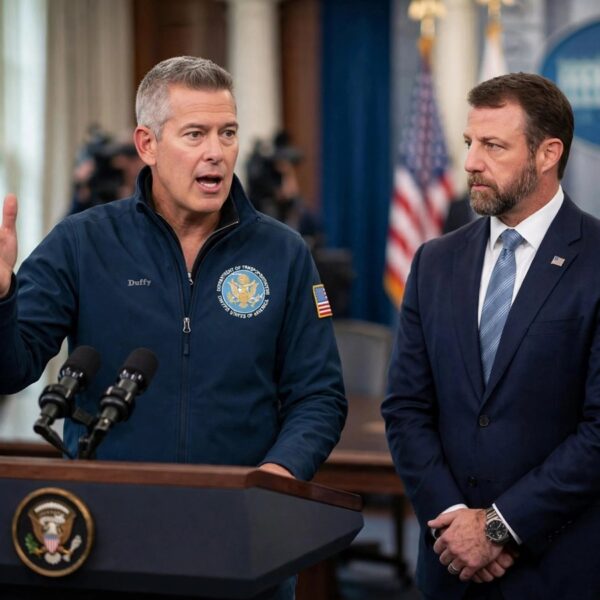
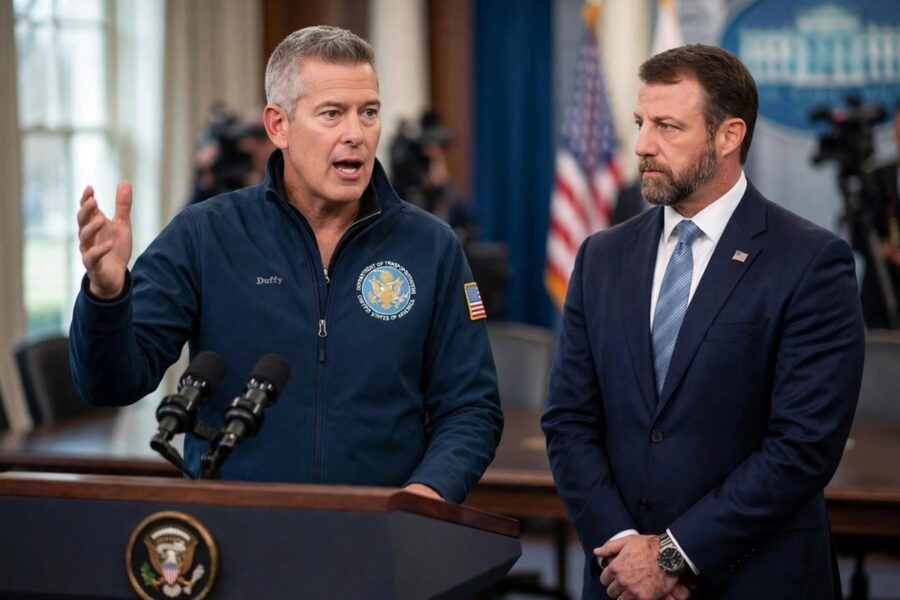
Duffy said the failure involved outdated legacy equipment and warned that breakdowns would keep happening. He asked Congress for $50 billion in emergency funding to repair the country’s air traffic control and airspace systems, calling the request bipartisan and American.
That request changes the shape of the argument. Alan was demanding attention to domestic needs, while Duffy was asking lawmakers to spend heavily on one of the government’s core responsibilities. Both statements pointed to the same immediate consequence: passengers pay when essential infrastructure fails.
Sen. Mike Lee of Utah echoed the concern about priorities. Writing on X, he argued that when government money goes toward responsibilities it should not be handling, the duties it is supposed to perform can be neglected. He ended with a call for a “constitutional reset.”
Why It Matters
This story matters because a national transportation failure quickly becomes a household problem. Travelers are not dealing only with delays. They may have to make expensive last-minute choices, abandon plans, and absorb the emotional cost of missing events that mattered to them. That makes the budget debate tangible. It is no longer an argument about distant equipment or abstract federal priorities. It is about whether people can count on a basic public system when they need to get home.
The stakes extend beyond the stranded couple. Passengers depend on the air traffic network, officials are responsible for keeping it working, and lawmakers must decide whether the requested emergency response is justified. The source presents a tension between maintaining essential infrastructure and spending public resources on other goals. Alan’s anger gives that tension a personal voice, while Duffy’s warning shows why the administration is treating the failure as more than a one-time inconvenience.
The open question is what happens after the immediate chaos fades. Will the proposed funding address the weaknesses Duffy described, and will lawmakers agree that the repairs deserve urgent attention? Until that is settled, every new disruption can revive the same argument: government should meet its core obligations at home before promising more elsewhere.
Source: The Gateway Pundit

Leave a Comment