
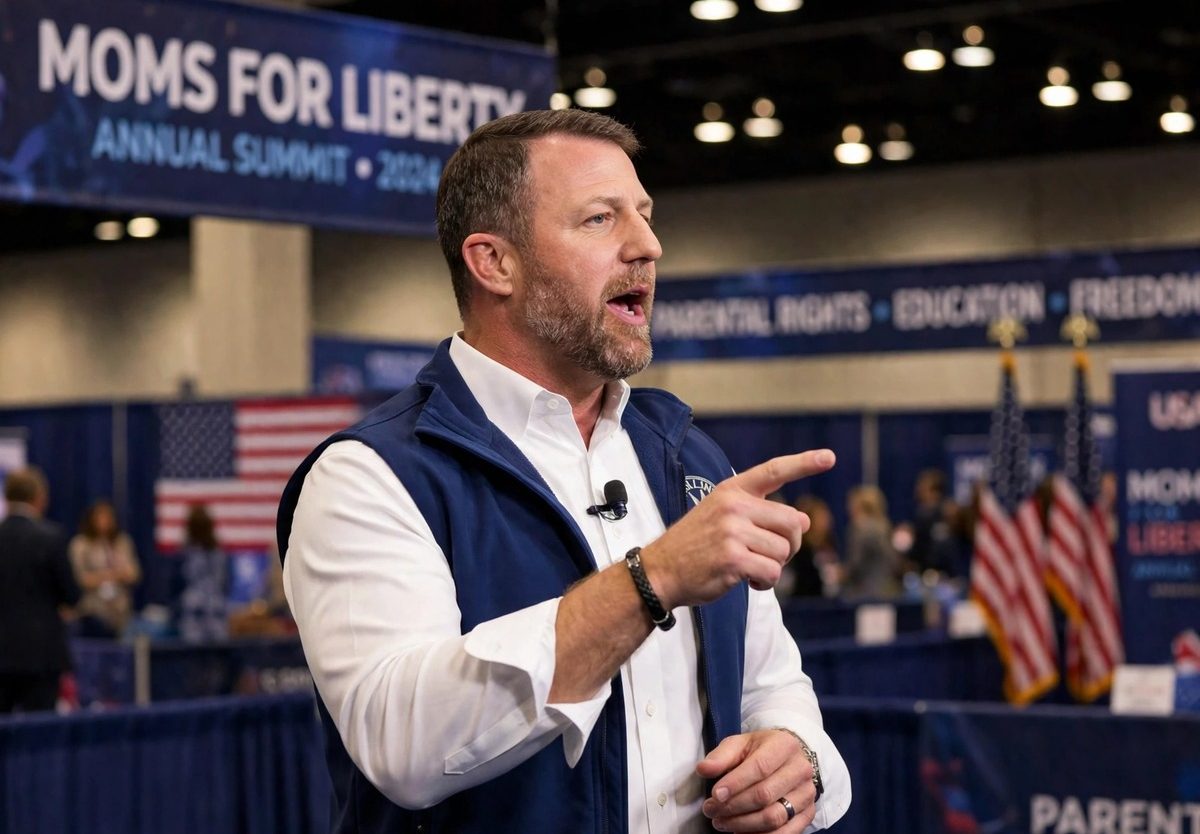
DHS Secretary Markwayne Mullin says ICE is not conducting worksite operations in Kansas after agriculture groups pushed back over labor disruptions. The statement has drawn criticism from immigration conservatives and renewed questions about whether the policy creates a special carve-out.
ICE will not conduct worksite operations in Kansas, DHS Secretary Markwayne Mullin said, setting off immediate criticism from conservative immigration activists and watchdogs.
The announcement arrived as agriculture and livestock organizations pressed federal officials to reduce workplace enforcement they said was disrupting staffing at dairies, meat plants, and feedyards. Critics argue that timing suggests powerful industry groups received a special exception. Mullin, however, says agents have been pursuing serious criminal cases and people with final removal orders.
NewsNation correspondent Ali Bradley reported that DHS confirmed ICE was not arresting undocumented immigrants at Kansas worksites. Mullin stated the same position on X: “ICE is not conducting worksite operations in Kansas.” He said officers had instead gone after people he described as murderers, rapists, drug traffickers, and immigrants with final orders of removal.
Bradley connected the announcement to a coordinated statement from livestock associations in Kansas, Texas, and Oklahoma. The groups said workplace enforcement was damaging the labor pipeline supporting dairies, meat-processing plants, and feedyards.
Reports cited by KCUR said several meatpacking facilities and small businesses in southwest Kansas temporarily closed or suffered severe worker absences while federal agents carried out fugitive operations in nearby areas. Industry groups warned that the disruption could affect the agricultural supply chain and raise beef prices.
The associations also said an ICE presence could keep workers from showing up, describing a chilling effect. They asked federal agents to scale back operations affecting agriculture. Senators Jerry Moran and Roger Marshall contacted Mullin, and Moran said the secretary assured him that the warrants involved people charged with criminal activity.
The backlash did not stop there. Nick Sortor asked whether Kansas worksites had become “safe zones” and later said Mullin had put them off-limits to ICE. Other commenters on Mullin’s thread accused him of backing away from what they believed voters wanted.
Why It Matters
This fight puts enforcement priorities against economic pressure. Mullin’s account emphasizes arrests involving grave allegations and people already facing removal, while the livestock groups emphasize the need for workers to keep dairies, feedyards, and processing facilities running. The disagreement is not only about where agents may operate. It is also about whether labor shortages and supply-chain concerns should influence the location and scope of immigration enforcement.
The consequences described in the source affect several sides at once. Workers may stay away from jobs, businesses may lose staff or close temporarily, agriculture organizations fear pressure on the food supply, and enforcement supporters fear that worksites are being treated differently from other places. The warning about beef prices gives the dispute a consumer angle, even as the political backlash keeps the focus on equal application of federal law.
For now, the immediate outcome is a clear Kansas worksite boundary from Mullin: ICE will not conduct those operations, while the department points to targeted criminal and removal cases. That responds to the industry’s demand for less disruption, but it leaves the core political question unresolved: is this a narrow enforcement choice or a broader exception?
Source: The Gateway Pundit
Leave a Comment