
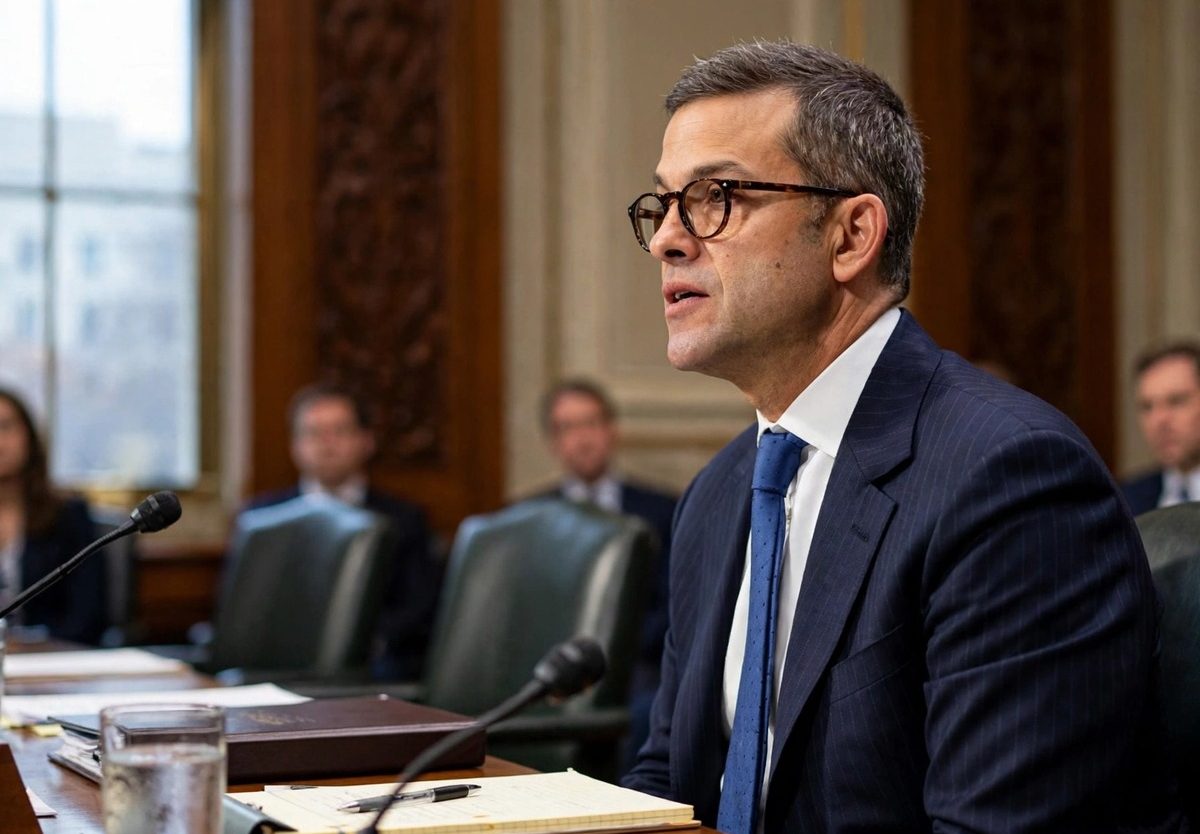
A Florida federal case was dismissed after Judge David S. Leibowitz ruled that Congress lacked constitutional authority to enforce its ban on noncitizen voting in federal elections. The Justice Department moved quickly to appeal the narrow decision.
A federal judge has dismissed a Florida noncitizen voting case after ruling that Congress lacks constitutional authority to enforce its federal ban in elections for national office.
U.S. District Judge David S. Leibowitz, a Biden-appointed judge, issued the ruling in a 31-page order ending the case against Chelsea Cox. The decision did not declare Cox a citizen or find that she was legally entitled to vote. It also did not reject Florida’s rule barring noncitizens from voting.
Instead, Leibowitz concluded that the federal government used a power the Constitution does not give Congress. In his view, states control voter qualifications, so Congress could not create the criminal rule used to prosecute Cox.
The ruling immediately drew online outrage, with reactions focusing on both the outcome and the fact that President Biden appointed Leibowitz.
The legal effect is narrower than some viral posts suggested. The order applies to Cox’s prosecution, does not erase the federal statute nationwide and does not control how other judges handle similar cases. CBS News reported that it may be the first federal ruling to find the decades-old law unconstitutional.
That law, Section 611, was enacted in 1996. It makes it illegal for a noncitizen to vote in an election involving candidates for president, vice president, the Senate or the House. A violation can carry a prison sentence of up to one year.
According to a Reuters report carried by Investing.com, Cox is a Jamaican national who was charged in 2025 over a ballot allegedly cast in the 2020 presidential election. Prosecutors alleged that she entered the United States on a tourist visa, overstayed, used a fraudulent U.S. Virgin Islands birth certificate to obtain a Florida driver’s license, registered to vote and cast ballots in multiple federal elections.
Those allegations were not resolved at trial. Leibowitz dismissed the case because he found Congress lacked authority to enact the federal criminal provision, not because Cox proved she was eligible or because prosecutors failed to identify the alleged voting activity.
States still require citizenship for voting in federal elections, and Florida can pursue alleged illegal voting under its own law. A separate federal law addressing false claims of U.S. citizenship may also apply when prosecutors can prove its required elements.
Why It Matters
The significance of the order is not that it gives noncitizens a right to vote. It does not. The significance is that it challenges which level of government has authority to police federal election eligibility. States, federal prosecutors and people facing election charges all have a stake in that question, even though the ruling currently reaches only Cox. It also forces a careful separation between two issues that can easily be blended together: whether a ballot violated state voting rules and whether Congress selected a constitutional mechanism for punishing that conduct.
The next legal fight could decide whether this interpretation remains confined to one prosecution or becomes a stronger obstacle to the federal statute. An appeal would put the judge’s reasoning before a higher court, while state enforcement and other federal charges remain separate questions. Until that review occurs, the ruling changes the legal argument around noncitizen voting more directly than it changes voting access itself. The unresolved tension is clear: states may continue to require citizenship, but the federal government’s power to impose its own criminal penalty is now being tested. That distinction explains why the order has drawn intense reaction beyond the courtroom.
The Justice Department moved almost immediately to appeal. The case now presents a major test for the Eleventh Circuit and could eventually reach the Supreme Court. For now, Cox’s dismissal remains limited to her case, while Florida’s own voting restrictions remain in place.
Source: WLT Report

Leave a Comment