
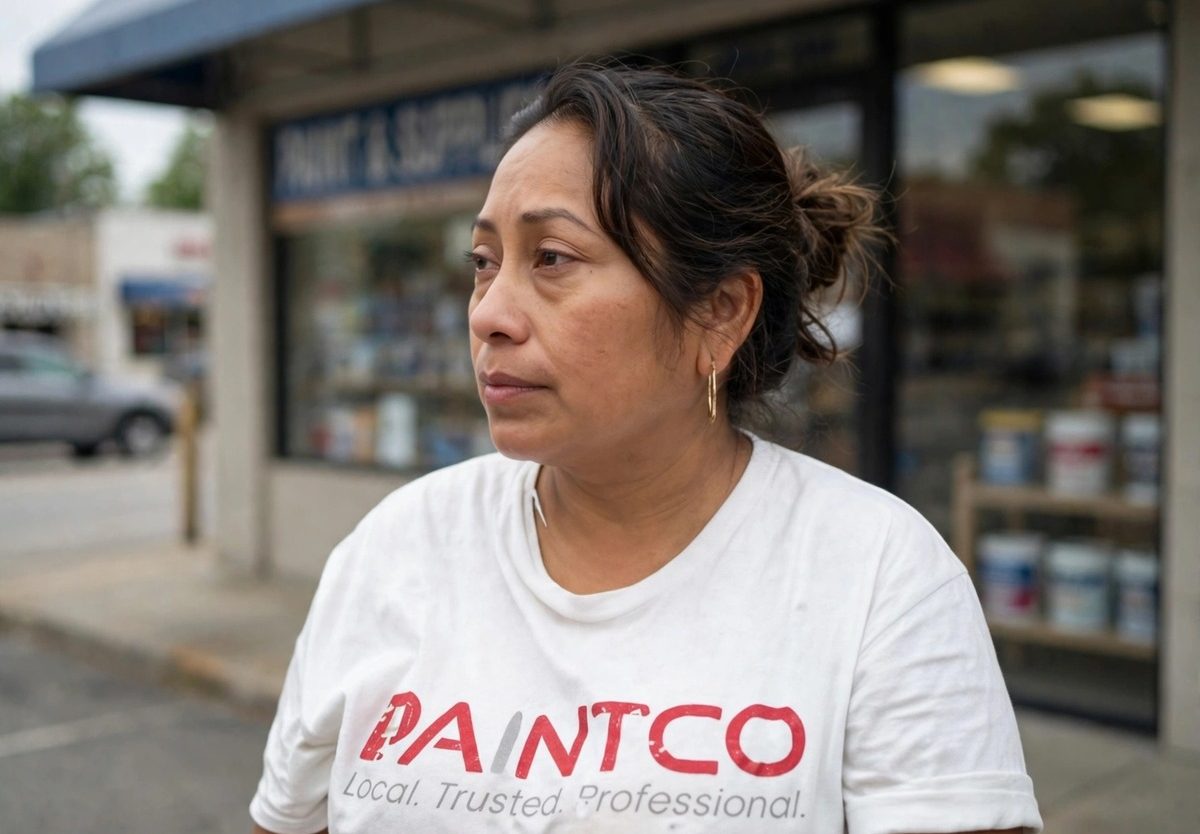
DHS says ICE arrested Helda Araceli Mendez-Merida in Indiana after accusing her of voting in a U.S. national election. Officials have not identified which election was involved.
A Guatemalan woman with an existing removal order was arrested by ICE in Indiana after DHS accused her of voting in a U.S. national election.
DHS identified the woman as Helda Araceli Mendez-Merida. Authorities said she cast a ballot unlawfully, but they have not named the election involved. That missing detail leaves the central allegation serious but incomplete.
The agency also tied the arrest to Mendez-Merida’s immigration history. DHS says she entered through Arizona in September 2015, was arrested by Border Patrol, and was later released during the Obama administration. An immigration judge issued a final removal order in September 2019.
Fox News reporter Bill Melugin shared the government’s announcement on X.
DHS Secretary Markwayne Mullin said the arrest followed the alleged unlawful vote and indicated that Mendez-Merida would be deported. His statement framed the case as a matter of protecting the ballots of U.S. citizens.
Patricia Hyde, acting assistant director of ICE’s Enforcement Division, also emphasized that voting in U.S. elections is limited to citizens. She described the alleged ballot as an attempt to interfere with a national election.
The announcement quickly became part of the debate over election safeguards. Supporters of the SAVE Act cited the case while calling for voter identification and citizenship verification in federal elections. Rep. Ken Calvert made a similar argument in an X post.
Other X users responded sarcastically, treating the arrest as an answer to claims that noncitizen voting never occurs.
Why It Matters
This case matters because it places a specific voting allegation inside a broader dispute over election eligibility and immigration enforcement. Supporters of the SAVE Act can point to the arrest as evidence for stronger identity and citizenship checks in federal elections. At the same time, the missing election information limits how fully the public can assess the claim. The announcement is politically powerful, but its most important details still depend on official evidence that has not been described here.
The people affected are not limited to the person arrested. Voters and election officials have an interest in knowing whether ballots are cast by eligible participants. Immigration authorities must also address an old removal order while pursuing the voting allegation. For Mendez-Merida, the arrest brings those separate government actions together. That combination explains why the case has become larger than a single custody announcement.
The open questions are therefore central, not minor. Which national election was involved? What information led authorities to connect Mendez-Merida to a ballot? How will the reported removal order shape what happens next? Until those points are clarified, the case supports competing political arguments while leaving readers without a complete account of the alleged vote.
The immediate official outcome is that DHS says Mendez-Merida will be deported. The larger factual gap remains: authorities have not said which election was involved. For now, the public account consists of the arrest announcement, the reported removal order, and the agency’s allegation of unlawful voting.
Source: WLT Report

Leave a Comment