
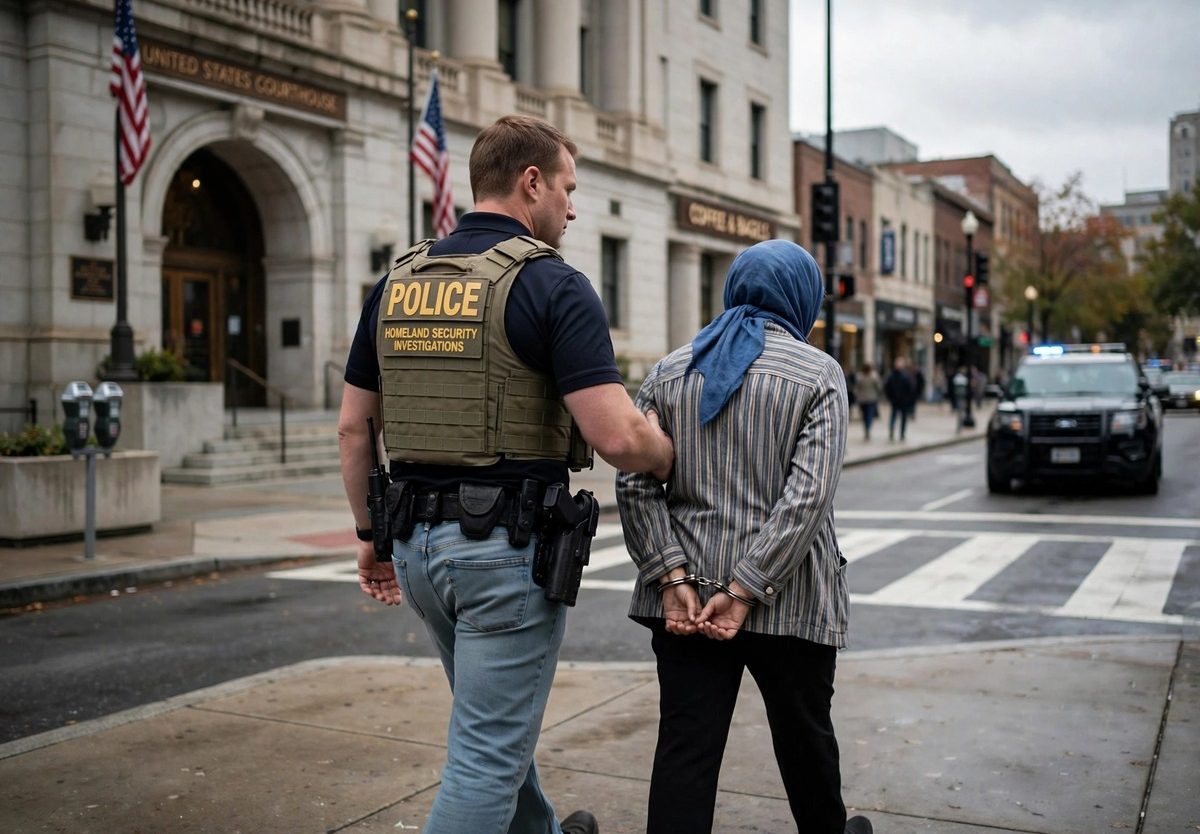
The Justice Department says 16 people face charges in separate voting-related cases across seven states, involving alleged unlawful voting, false citizenship claims and fraudulent documents.
The Justice Department has charged 16 people in separate voting-related cases spanning seven states. The allegations include noncitizens casting ballots, falsely claiming citizenship, improper registration and the use of fraudulent identity documents.
The timing gives the cases immediate national weight. The announcement came only weeks before the midterm elections, as confidence in voter rolls and ballot safeguards remains a major concern. Prosecutors are describing separate investigations rather than one coordinated conspiracy, but the cases touch different parts of the election and identity systems.
The wider allegations also include wire fraud, passport fraud, identity-document fraud and unlawful firearm purchases. These remain accusations, not convictions. Every defendant is presumed innocent, and prosecutors must prove their claims in court.
The cases follow different alleged paths
Eight defendants living in Texas face charges connected to unlawful voting, false citizenship claims or naturalization statements. The other cases involve a Mexican national in Idaho, three defendants in Georgia, a Nigerian national in Massachusetts, a Colombian national in Wisconsin, a lawful permanent resident in New Jersey and a Russian national in Michigan.
The allegations vary sharply. One Georgia defendant is accused of voting nine times between 2008 and 2024. In New Jersey, prosecutors allege that a permanent resident registered in 2016, voted in the 2018 and 2020 federal elections, submitted a provisional ballot in 2024 and later made false statements in naturalization applications. In Wisconsin, a permanent resident allegedly claimed to be a citizen while registering for the 2022 election.
The Idaho case reaches beyond the ballot
The Idaho investigation shows how an alleged voting offense can lead to a much broader federal case. The state’s U.S. Attorney’s Office says a grand jury indicted Fredy Avila Gomez on allegations that include voting as a noncitizen, falsely claiming citizenship, wire fraud, theft of government funds, passport and identification-document fraud, a false statement during a firearm purchase and unlawful firearm possession.
Prosecutors allege that Gomez claimed to be an American citizen while registering and then voted in May 2022 and November 2024. They also say he obtained Idaho identification cards as part of a broader scheme involving federal agencies. That alleged trail is why investigators are examining more than the ballot itself, including identification systems, passport applications, public benefits and firearm records.
Why It Matters
These cases matter because they place a practical test in front of the election system: can officials detect an allegedly false citizenship claim or improper registration before a ballot is counted, and can they explain what happened afterward? The answer affects voters, election workers and agencies that share identity or eligibility information. It also affects the defendants, who remain entitled to challenge every allegation in court. The charges are serious, but their legal meaning will depend on evidence rather than the announcement alone.
The source presents no single national conspiracy, making the broader question more practical, not less important. Separate alleged failures in different states could point to different weak points in the process. Election administrators now face pressure to protect access for eligible voters while addressing false claims. The pending cases leave open how each matter was discovered, which safeguard was supposed to catch it and whether any response can close the alleged gaps without creating new barriers. Those answers will come through the court process and the agencies’ explanations.
Source: WLT Report

Leave a Comment