
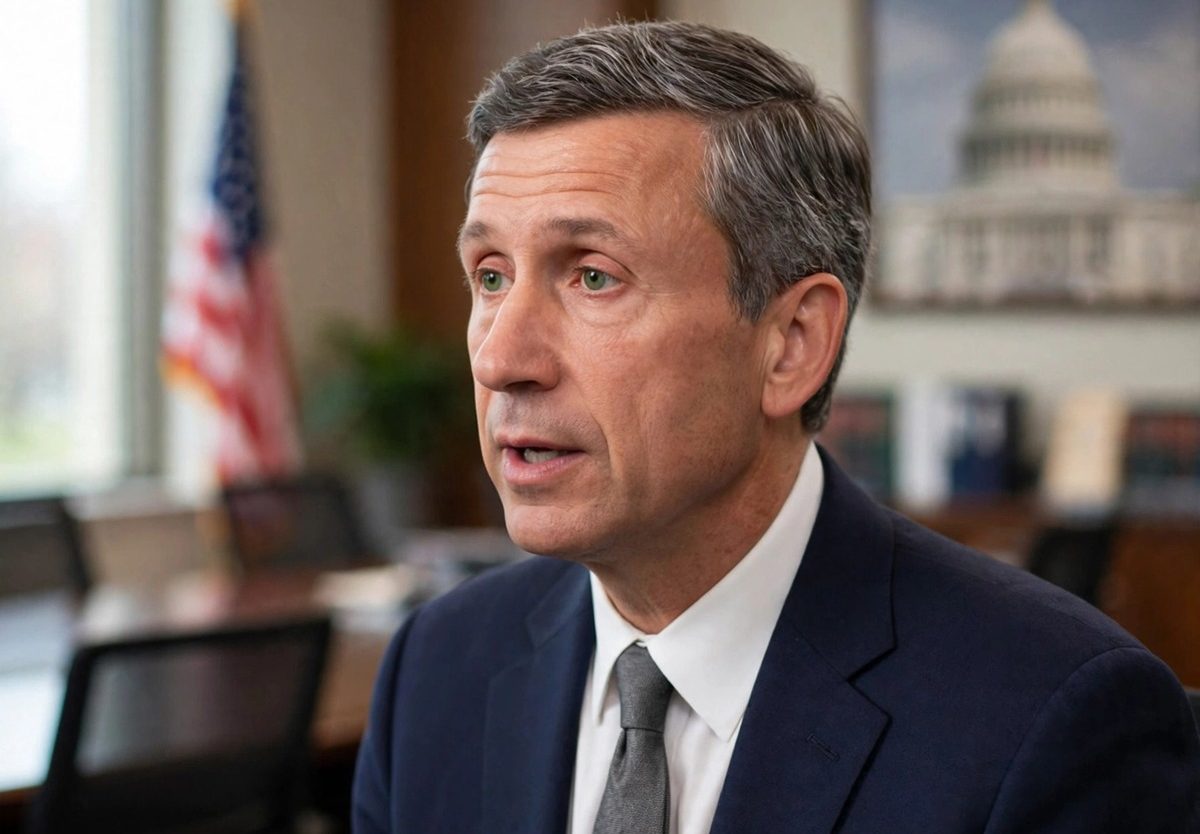
The Democratic National Committee sued the Trump administration, alleging taxpayer-funded ads violate a congressional ban on publicity or propaganda. The White House says the spots are informational, while the complaint says Trump directed a partisan effort ahead of the midterms.
The Democratic National Committee has sued the Trump administration, alleging that taxpayer money paid for political ads designed to help Republicans before the 2026 midterm elections. The case puts federal spending and official government messaging at the center of a new court fight.
Filed Wednesday in U.S. District Court for the District of Columbia, the complaint says the ads have cost an estimated $12 million since they began airing in September. The DNC is asking a judge to declare the campaign illegal, arguing that appropriated funds cannot be used for publicity or propaganda.
The complaint attributes the effort directly to Trump. It alleges that he directed the ads, that a White House office developed them, that the Office of Management and Budget shifted $20 million to support them, and that U.S. Customs and Border Protection put the campaign into operation. Those assertions are the DNC’s claims in the lawsuit, not findings by the court.
DNC Chair Ken Martin called the advertising a last attempt to protect Republicans from losses in November. He also said Americans should not have their tax dollars used for what he described as Trump’s illegal schemes. The committee’s lawyers likewise characterize the spots as a breach of the congressional spending restriction.
The White House disputes that description. Its defense is that the ads provide information about federal policies and initiatives, functioning much like public service announcements. The administration has pointed to messaging about Trump’s military actions in Venezuela as an example of the material it says belongs in that category.
Trump has also said future ads would be paid for through his super PAC. He described them as a “positive promotion for our Great U.S.A.,” a position that leaves the court with a central question: when does an official policy message become prohibited political advocacy?
The lawsuit is unfolding alongside another legal fight over access to the White House. CNN, Politico, and MS NOW sued after the outlets were barred from covering the administration. Their emergency case led U.S. District Judge Timothy Kelly to issue a temporary restraining order restoring their credentials.
That order lasts only two weeks and is scheduled to expire Thursday unless Kelly extends it. Trump had announced the ban on Truth Social and said the outlets were not reporting honestly. He accused them of publishing fake news and criticized a government subscription deal involving Politico.
https://truthsocial.com/@realDonaldTrump/posts/117293599348325006
Why It Matters
This dispute matters because it tests the boundary between informing the public and using public resources to influence an election. The same material can be described as a policy announcement by one side and campaign messaging by the other, but the difference carries real consequences for taxpayers, federal agencies, and voters. If the DNC’s allegations are accepted, the case would show how quickly government communication can become a legal question when an election is approaching. If the White House position prevails, the administration would have a stronger argument for using official channels to explain contested policies.
The access lawsuit adds a second layer because it concerns who gets to question the administration while these disputes are being fought in public. Together, the cases raise questions about the limits of presidential control over government messaging and press access. The immediate legal issues remain unresolved: whether the ads violate the spending ban, whether the court accepts the complaint’s account of how the money and agencies were involved, and whether the temporary restoration of media credentials continues. Those decisions will determine how this conflict moves forward without settling the political disagreement behind it.
Source: The Gateway Pundit

Leave a Comment