
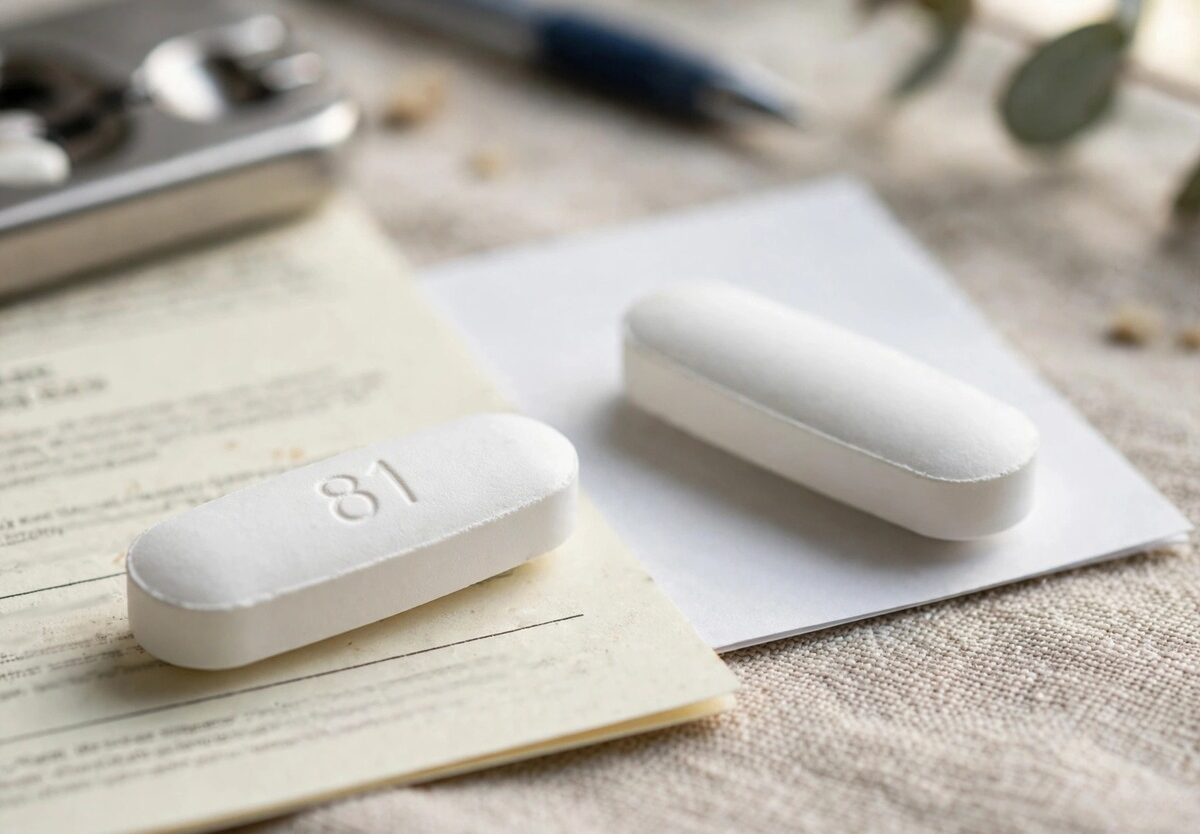
Golden State Medical Supply is recalling one lot of prescription ibuprofen 800 mg tablets after possible aluminum particulate contamination. Patients should check their bottles and contact a healthcare provider if affected.
The FDA is warning patients about a nationwide recall involving a specific lot of prescription ibuprofen because aluminum particles may be present on the tablets’ outer surfaces.
Golden State Medical Supply, Inc. (GSMS), based in Camarillo, California, voluntarily began the consumer-level recall of its ibuprofen 800 mg tablets. These are prescription-strength pills, not the lower-dose over-the-counter products typically sold without a prescription. The affected stock went to distributor McKesson, which was directed to stop distribution, isolate remaining inventory, return it to GSMS, and notify pharmacies and customers.
Check the bottle before taking another dose
The notice identifies only one affected lot. Patients and caregivers should compare their bottle with these details:
- Product: GSMS Ibuprofen 800 mg tablets
- NDC: 51407-841-05
- Lot: GS069303
- Expiration: January 2030
- Packaging: 500-count bottles
- Distributor: McKesson
The particles are reported to measure between 0.01 and 0.10 mm. Continued use of tablets from the affected lot could cause minor irritation or scraping in the stomach or intestines. GSMS and the FDA describe the likelihood of a related adverse event as remote because of the particles’ small size. GSMS says it is not aware of any adverse events connected to this lot so far.
The patient instruction is immediate
The recall is voluntary and is being conducted with the FDA’s knowledge. McKesson’s distribution instructions do not replace the patient warning: anyone with the identified product should stop using it immediately and contact a physician, pharmacist, or healthcare provider.
A separate liquid ibuprofen product for children was recalled earlier this year after consumers reported black particles and unusual gel-like material inside the medicine. The Associated Press reported that action involved nearly 90,000 bottles. The information available here does not identify a connection between the two recalls.
Patients with a matching bottle should stop using it, ask a physician, pharmacist, or healthcare provider for guidance, and take the remaining tablets back to the pharmacy that dispensed them. GSMS lists (800) 284-8633, extension 116, on weekdays during Pacific hours, along with [email protected] for questions. Suspected adverse events can be reported through the FDA’s MedWatch program.
Why It Matters
This matters because a medication recall can affect a narrow slice of products while still creating an immediate choice for patients who rely on a prescription pain reliever. The possible injury described here involves the digestive tract, so the warning is not merely about appearance or packaging. Patients and caregivers must identify the affected lot accurately, while pharmacies must handle returns and help people contact a clinician about what to do next. The notice’s assessment of a remote likelihood does not eliminate the need to follow those instructions.
The larger issue is confidence in the medicines people keep at home. The earlier children’s liquid ibuprofen recall adds context, but the information here does not establish a shared cause. That leaves practical questions about how much of the affected lot remains with consumers and whether any related problems will be reported. For now, the known facts point to a narrowly identified product, a serious reason to check the bottle, and an instruction that applies immediately to anyone with a matching package.
Source: The Gateway Pundit

Sound off
Join the conversation
Be the first to comment.
Load more comments