
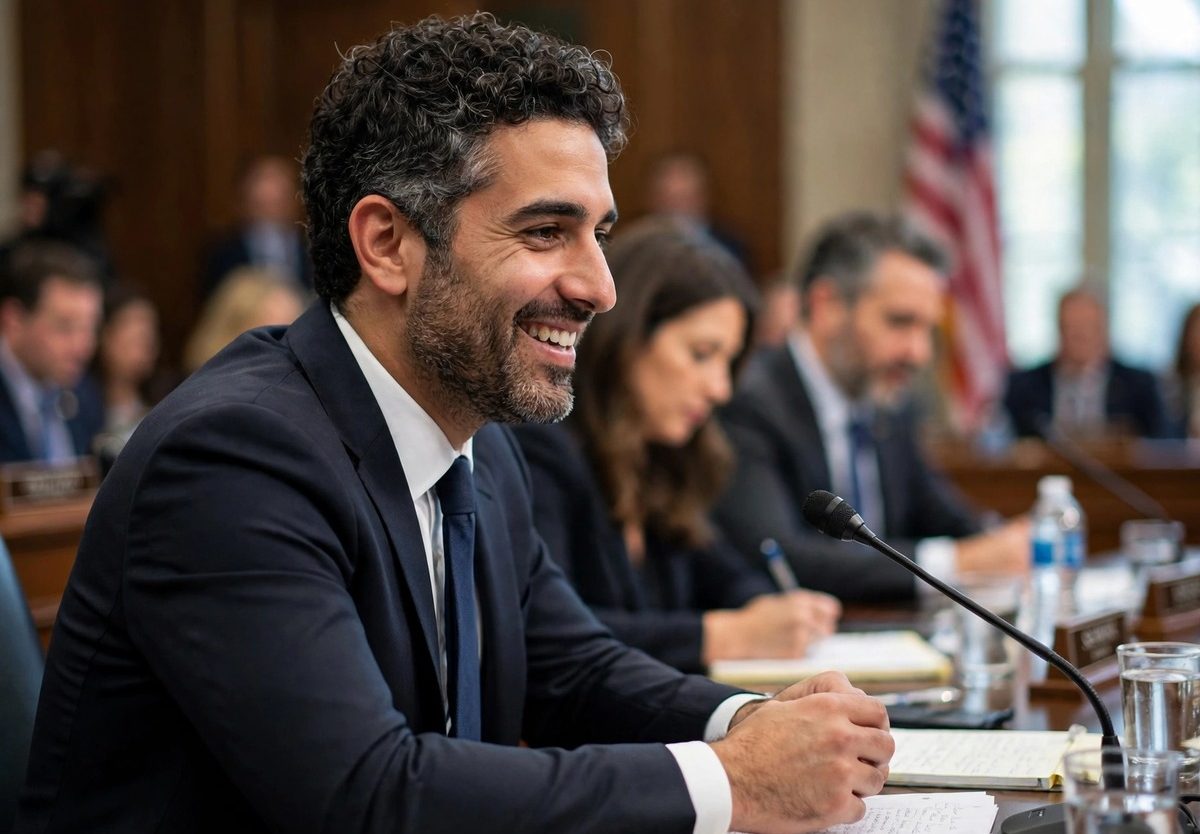
Judge Amir Ali ruled that FEMA cannot withhold 20 percent of Homeland Security Grant Program funds over election-administration requirements, while a separate physical and cyber security rule remains in place.
A federal judge has stopped the Federal Emergency Management Agency, or FEMA, from withholding 20 percent of Homeland Security Grant Program money over election-administration requirements sought by the Trump administration.
U.S. District Judge Amir Ali, a Canadian-born Biden appointee, ruled Monday that FEMA went beyond the authority Congress gave it when it tied part of the grant to election changes. Ali was confirmed 50-49 in November 2024.
The lawsuit was filed by local governments in Texas, Tennessee and Ohio. The plaintiffs include Nashville and Davidson County, Harris County (Houston), Dallas County, Travis County (Austin), and Columbus.
The dispute followed FEMA’s release of its 2026 Notice of Funding Opportunity in June. Awards were expected by September 30. The program provides about $1 billion a year for state and local efforts involving terrorism prevention, preparedness and response.
The challenged terms reached deep into election operations. They called for a move away from barcode or QR-code voting equipment toward systems that accept hand-marked paper ballots. Jurisdictions also had to document a 5 percent post-election manual audit and reconcile the number of voters with the ballots cast.
The notice further required use of DHS’s SAVE system to review citizenship across the entire state voter-registration database within 120 days, with removal of verified noncitizens when allowed by law. It also sought citizenship verification for poll workers, election-system operators and vendors.
FEMA said it would keep 20 percent of a state’s award unavailable until recipients proved they had met the conditions. The potential holdback amounted to hundreds of millions of dollars nationwide.
Ali set aside the election-related conditions and the holdback. He said the law permits FEMA to support proposals from states and high-risk urban areas, but does not let the agency use counterterrorism aid to force changes to ordinary election administration. He also found the requirements insufficiently connected to FEMA’s terrorism mission.
The ruling did not erase the entire grant notice. Ali denied a permanent injunction but left a separate provision in place requiring recipients to spend at least 3 percent of their awards on physical and cyber election security.
Reuters and The Washington Post described the decision as another legal setback for the administration’s effort to strengthen election protections before the November 3 midterms. The administration’s position was that election systems, which DHS has designated as critical infrastructure, justified linking voter-roll checks, worker verification and ballot audits to the grant.
Homeland Security Secretary Markwayne Mullin had promoted similar safeguards, including random paper-ballot audits. He warned that voting machines with foreign-made components posed "significant security risks" and declared that "election security is national security."
Why It Matters
The ruling changes what leverage the federal government can attach to a major terrorism-preparedness grant. The administration tried to connect part of that money to election procedures, while the plaintiffs argued that FEMA had crossed the line from funding security projects into directing local election operations. Removing the holdback changes the immediate financial pressure on the affected jurisdictions.
The case also exposes a basic disagreement about how election security should be handled. One side treats paper ballots, audits, voter-roll reviews and citizenship checks for election workers as protections for systems that can be targeted. The judge treated those demands as ordinary election administration rather than grant conditions sufficiently tied to FEMA’s counterterrorism mission. That distinction gives the ruling significance beyond the named plaintiffs.
What remains open is how federal agencies can respond when a security program overlaps with state and local control of elections. The court left the broader notice partly intact, including a separate physical and cyber protection requirement. States, cities and counties still have to operate within that framework, while the administration’s effort to use the larger grant as leverage has been narrowed by the decision.
For now, FEMA cannot use the 20 percent holdback to compel the listed election changes. The separate 3 percent physical and cyber security requirement remains, and the rest of the grant notice continues to stand.
Source: The Gateway Pundit
Leave a Comment